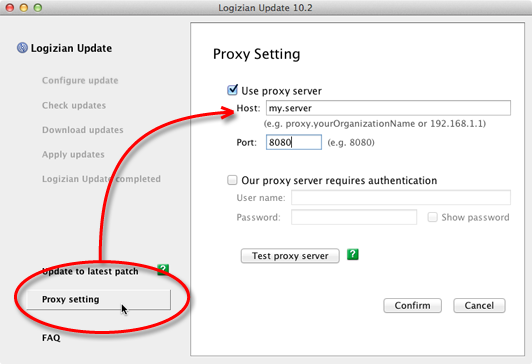
In '/Library/Application Support/ create a folder named 'OpenDNS Roaming Client' and place the Orginfo.plist file that's bundled with the the roaming client installer you downloaded. If you open that file you should be able to match up the Org ID and Fingerprint ID.
The other day we took a look at how to add. Today we’re going to check out another option called OpenDNS, which includes a lot of extra features that Google Public DNS doesn’t.
Add OpenDNS To A Router 1. Head to the and sign up for a basic account which is free, and should be adequate for most home users. Then fill out the fields under create an account in the right column and click Continue. For this tutorial we’ll add the OpenDNS name servers to a Cisco Linksys E2000 router. Obviously, if you don’t have the same type of router, the interface will be different, but the process is essentially the same. They also offer instructions for various types of routers on their page while you’re signing up for an account if you need help configuring it. Open your default browser and enter the router’s IP address into the address bar.
For most home Cisco Linksys routers it’s 192.168.1.1 – if you’re not sure what it is check it’s documentation or find your router on the OpenDNS page. Enter in the User Name and Password to access the router’s configuration settings. Then where your router has the Static DNS settings, enter in the following IP numbersfor OpenDNS they need to be in the following order, unlike Google Public DNS. DNS 1: 208.67.222.222 DNS 2: 208.67.220.220 Make sure to click to Save Settings after you enter the OpenDNS Name Servers.
Then you should see a message similar to this one letting you know the changes have been setclick Continue. To verify the settings were successful you should have a section in your router where it shows the status. Here you can see on our Cisco Linksys they took successfully.
Then you’ll receive an email from the OpenDNS Team to confirm your registration, just click on the link they send you. You’ll be brought to your own OpenDNS Dashboard where you can get stats, change settings, modify your account, get support, and more. This is where you can make a lot of different changes to the OpenDNS settings and how it will work.
Now in your Dashboard, click the Settings tab at the top and add your networkwhich is the external IP that your Internet Service Provider gives you. It should already be filled in, click Add this Network. Then a window opens up where you can give your network a name, make sure Yes it’s Dynamic is checked, then download the OpenDNS Updater for Windowsand click Done.
Then you’ll see it listed under Your Networks section on the page. Now install the OpenDNS Updater for Windows. There is nothing to the installation, just follow the defaults. After you install the Updater, a window will come up for you to enter in your OpenDNS account information.
The OpenDNS Updater launches and from here you can change accounts, networks, check for updates, and configure the settings how you want them. The OpenDNS Updater lives in the Notification Area on the Taskbar, but you can right-click it and run it hidden if you want. As mentioned earlier, there are a lot of ways to customize and protect your system with OpenDNS.
Let’s take a looks at a couple of the featureswe’ll be covering more settings and customizations in future articles. From the Dashboard you can choose the filtering level. You can choose from low to high, none, or create custom filtering. In each level you can check out the types of sites it will block. If you’re a parent, OpenDNS is another great tool to help keep your kids safe when their online. It also allows you to tweak security settings which will block malicious sites that try to infect your system with malware.
Asus p5g41 m lx drivers for mac 2017. Intel IT Director is a reactive software product that monitors security,data protection and health of a PC or network of PCs. It includes a centrally monitored. Aug 24, 2009 - CPU. Intel Socket 775 Core2 Quad/Core2 Extreme/Core2 Duo/Celeron dual-core/Celeron Processors Support Intel 45nm Multi-Core CPU. EXPAND ALLCOLLAPSE ALL. Version 0603 209.07 KBytes. P5G41-M LX 0603 BIOS Support new CPUs. Please refer to our website at.
It also provides protection against phishing scams. Add OpenDNS to A PC If you don’t have your computer behind a router, you can add it to your PC through the TCP/IP Settings in Windows. Here we take a look at how to add it in Windows 7. Open the Start Menu and type network and sharing into the Search box and select Network and Sharing Center under Control Panel. When the center opens, click on Change adapter settings. Then right-click Local Area Connection and then Properties.
The Local Area Connection Properties windows opens, click on Internet Protocol Version 4 (TCP/IPv4) to highlight it, then click Properties. In the next window click the radio button next to Use the following DNS server address and type in the following: Preferred DNS server: 208.67.222.222 Alternate DNS server: 208.67.220.220 6. After entering in the OpenDNS addresses, click OK. Then to verify the DNS settings, click Start and type cmd into the search box and hit Enter.
Opendns Updater Download
When the Command Prompt opens type in the following command: ipconfig /all 8. Scroll down in the results and look for DNS Servers. You should see the OpenDNS addresses you entered in the steps above.
Make Sure OpenDNS is Working 1. If you want to ensure that OpenDNS is working on your system, whether you installed it on your router or PC, go to the. You should see the following screen if everything was configured correctly.
Then you can see it in action following the 3 steps it gives you. When you click the demo phishing site InternetBadGuys.com link you should see the following 3. Click on the MySpace link and you should notice it opens faster. Then type craigslist.og into the address bar in you browser, hit Enter, and you’ll see that it automatically makes the type-o correction for you. With OpenDNS you should notice webpages opening up more quickly. If you don’t and it’s slower, go back and change the DNS settings to the ones provided by your ISP.
The benefit of faster loading webpages isn’t the only thing OpenDNS provides. You get extra security and configuration options as well. Thanks so much for this great post on OpenDNS! You hit on all the major points: Phishing protection, malware protection, Web content filtering, faster Internet and typo correction!
One additional reason to use it — any why many people have switched to OpenDNS — is simply because it’s more reliable than the DNS you receive from your ISP. In fact, we actually have a perfect 100 percent uptime rating over the past five years. If you or your readers ever have any questions about using OpenDNS, feel free to get in touch! Best, Laura Oppenheimer OpenDNS.com.
To use the OpenDNS: Contact Maxwire Customer Service to request a public IP (allow up to 2 business days). Ensure that you have your Router WAN MAC address available. Consult your router manufacturer support channel for configuring your router and obtaining the MAC address. Configure your router for dynamic addressing (this may be listed as “My ISP assigns this, Dynamic, etc). Provide Maxwire Customer Service the WAN MAC address of your device.
I Cannot Login To Opendns Updater For Mac Free
Follow the steps below to create and configure your OpenDNS Settings. (You must select the “Yes, It’s dynamic” Checkbox and install the updater software provided by OpenDNS.). If any issues present, you will need to contact OpenDNS for support as Maxwire will be unable to assist in your configuration. Quick steps Know enough? Want to get it done?
Do the following:., and confirm the email address. Go to the tab. Add a network using your current IP address (displayed on the page). Click your new networks's IP address to access its settings.
Click 'Advanced Settings' on the left. Check the box to 'Enable dynamic IP update.' Be sure to apply your settings at the bottom of the page. If you don't keep the IP updated, your preferences will not be applied, and your statistics will not be collected — though you will still be using OpenDNS.